Connected Vehicle Software
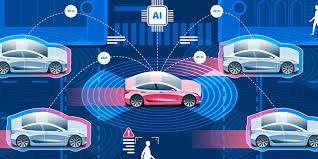
Connected vehicle software refers to the technology and applications that enable vehicles to communicate with each other, infrastructure, and external systems through wireless networks. This software plays a crucial role in facilitating vehicle connectivity and enabling various features and functionalities for enhanced safety, convenience, and efficiency.
Here are some key aspects and capabilities of connected vehicle software:
- Vehicle-to-Vehicle (V2V) Communication: Connected vehicle software allows vehicles to exchange information with nearby vehicles. This communication can provide real-time updates on road conditions, traffic congestion, potential hazards, and other relevant data to enhance safety and improve traffic flow.
- Vehicle-to-Infrastructure (V2I) Communication: Connected vehicles can also communicate with roadside infrastructure, such as traffic lights, road signs, and toll booths. This enables vehicles to receive important information, such as traffic signal timing, roadwork alerts, and toll payment instructions, improving efficiency and convenience.
- Vehicle-to-Cloud (V2C) Communication: Connected vehicle software facilitates the transmission of vehicle data to cloud-based platforms. This data can include vehicle diagnostics, maintenance information, location tracking, and other relevant metrics. The cloud-based platform can process and analyze this data to provide various services like remote vehicle management, predictive maintenance, and personalized user experiences.
- Over-the-Air (OTA) Updates: Connected vehicle software enables OTA updates, allowing manufacturers to remotely deploy software updates to vehicles. This helps keep vehicles up to date with the latest features, bug fixes, and security patches without requiring physical visits to a service center.
- Telematics and Fleet Management: Connected vehicle software incorporates telematics systems that collect and transmit vehicle data. Fleet management solutions utilize this data to monitor vehicle performance, track location, manage fuel consumption, optimize routing, and enable efficient fleet operations.
- Advanced Driver Assistance Systems (ADAS): Connected vehicle software supports ADAS features like adaptive cruise control, lane-keeping assist, collision avoidance, and automated emergency braking. These systems utilize vehicle-to-vehicle and vehicle-to-infrastructure communication to enhance safety by providing real-time alerts and assistance to drivers.
- Infotainment and Connectivity: Connected vehicle software offers various infotainment features to enhance the in-car experience. This includes integration with smartphones, access to streaming services, navigation systems, voice commands, and other entertainment and communication functionalities.
Overall, connected vehicle software plays a crucial role in transforming traditional vehicles into intelligent, data-driven platforms capable of communicating and interacting with their surroundings. It opens up opportunities for improved safety, efficiency, convenience, and future innovations in the automotive industry.






 Pradip Sah
You must be logged in to post a comment.